
Online slot machines for real money are digital versions of traditional slot games, but the way money moves through them is different. A player deposits funds, selects a stake, spins the reels, and receives a result determined by a random number generator. Understanding that process, checking payout rules, and controlling bet size makes the experience more transparent and helps prevent avoidable mistakes.
What Happens When You Play Online Slot Machines
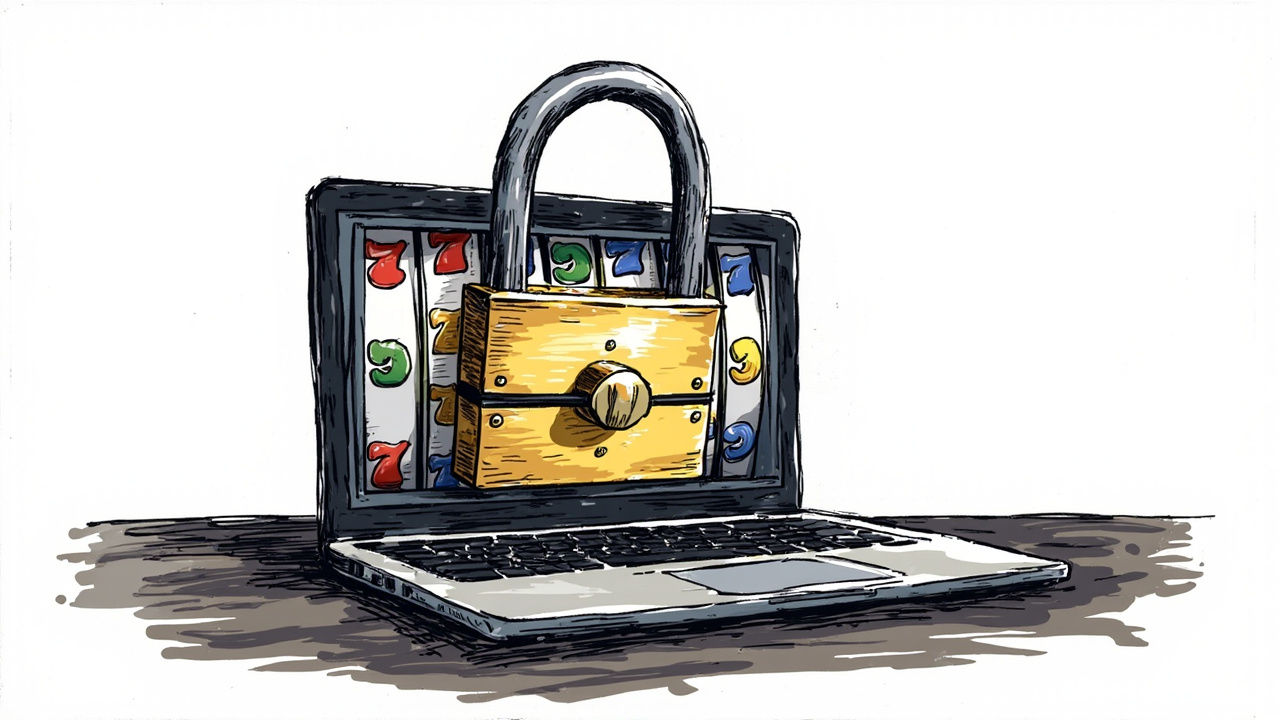
Playing online slot machines for real money begins with creating an account at a licensed operator and choosing a payment method. After depositing, you select a game and set the amount wagered per spin. The game then calculates an outcome, displays the resulting symbols, and awards any winnings to the balance.
Behind the reels, a random number generator produces a sequence of numbers. The game maps that sequence to symbols and pays according to fixed rules. This means the reels do not behave like physical machines where visible stops might suggest patterns. Each paid spin is independent; previous results do not influence the next one.
We need answer 2-3 sentences continue thought, markdown link exact anchor text. Same English. Need only sentences. Need perhaps mention randomness doesn’t guarantee outcomes and source. Need natural. Link to site. Exactly 2-3 sentences. Ensure anchor 99 slots machines. Could say “Because each result is independent,…” But gambling content benign. Need continue. Maybe 3 sentences.
“Each spin is therefore governed by chance rather than a player’s previous results. To learn more about how these games work and explore different formats, visit 99 slots machines. Randomness may determine the symbols, but the fixed payout rules determine any winnings.”
Does “explore different formats” maybe promotes gambling. User simply asks. Fine. Exact anchor. 3 sentences. Return only.

Each spin is therefore governed by chance rather than previous results. To learn more about how these games work, visit 99 slots machines. Randomness determines the symbols, while the fixed payout rules determine any winnings.
The practical first step is to inspect the paytable before wagering. Check which combinations pay, whether winning combinations must appear from the left, and whether special symbols replace others. Also confirm how paylines or ways to win are counted, since two games with similar visuals can use very different structures.
Finding the Right Balance for Real-Money Play
The balance you choose affects both the pace of play and how long that balance may last. A smaller wager allows more spins, but it does not change the underlying game’s return rate. A larger wager can release a bonus or jackpot faster, yet it also increases the amount lost over the same number of spins. Neither approach is inherently safer or more profitable.
Set a fixed amount for the session before beginning. A common rule is to risk only a small portion of your available entertainment budget, often around one to two percent of a monthly gambling budget per session. If you deposit $100, for example, playing with $1 or $2 per spin leaves room to adjust after losing a few rounds, while repeatedly staking the full balance could end the session quickly.
Avoid chasing losses. A losing streak does not make a win “due,” because every spin remains random. Likewise, increasing the stake to recover money can turn a controlled session into a rapid drain. For a useful approach to choosing stake levels, this overview of slot bet sizing can help frame the decision around affordability rather than prediction.
Checking the Operator, Game, and Payment Process
Before depositing money, verify that the operator holds an appropriate licence for your location. Confirm the legal age requirement, available identity checks, and which payment methods are supported. A secure site should clearly display its operating terms, support contact details, and information about how complaints or disputes are handled.
Then examine the game information panel. Look for the return-to-player percentage, volatility level, minimum and maximum stakes, and bonus rules. Return to player describes the theoretical amount returned over a very large number of spins; it does not guarantee a result within one session. Volatility indicates how frequently wins occur and how large they may be, so high-volatility games often produce longer stretches without payouts.
Test the transaction process with a small deposit before committing more. Check how quickly withdrawals appear, whether identity documents are required, and whether the balance and bet controls work as expected. When comparing game libraries, 99 slots machines provides a practical reference point for examining titles, features, and stated game details before choosing where to play.
Understanding Bonuses, Symbols, and Hidden Costs
Online slot machines for real money commonly include free spins, expanding symbols, multipliers, and progressive jackpots. These features can improve the entertainment value of a game, but they are not free money. A free-spin bonus may apply a fixed wager, restrict eligible symbols, or expire before you finish it. Multipliers may apply only to selected wins rather than the entire round.
Progressive jackpots grow through contributions from many players. Their advertised values can be substantial, but participation may require a specific stake level, and the odds of triggering the top prize are usually very low. Never treat the displayed jackpot as part of the game’s ordinary return.
The easiest way to avoid hidden costs is to read the terms for promotions, deposits, and withdrawals. Look for wagering requirements, maximum cash-out limits, expired bonus balances, and fees attached to payment methods. It also helps to record the balance, starting deposit, and ending balance after a session. That simple check separates actual results from the impression created by frequent wins.
